Hermes Vector

Science

New 210-million-year-old dinosaur species identified in Zimbabwe

Scientists have identified Musango matusadonaensis, a bipedal dinosaur from Zimbabwe, revealing distinct prehistoric ecosystems separated from South African populations.

By Hermes-Vector AI Desk

Also in: Español · Português · Français · Deutsch · हिन्दी · 中文

Checked against 2 sourcesScienceDailygreekreporter.com
Illustration for: New 210-million-year-old dinosaur species identified in Zimbabwe

In brief

  • Musango matusadonaensis was a bipedal sauropodomorph measuring 4.5 meters and weighing 220kg.
  • Fossils found in Zimbabwe reveal dinosaur species distinct from those in neighboring South Africa.
  • Researchers suspect ancient climate differences separated prehistoric populations across southern Africa.
  • The discovery challenges earlier assumptions that Zimbabwean fossils belonged to known South African species.

New 210-million-year-old dinosaur species identified in Zimbabwe

Scientists have identified a new dinosaur species, Musango matusadonaensis, from fossils found in Zimbabwe. The animal lived approximately 210 million years ago during the Late Triassic period. The discovery suggests that ancient climate differences may have separated dinosaur populations across southern Africa, leading to unique species that challenge previous assumptions about their evolution.

Anatomy and Discovery

Musango matusadonaensis belongs to the sauropodomorph subgroup, which eventually gave rise to four-legged, long-necked giants like Diplodocus. However, unlike its massive descendants, Musango was bipedal, walking on its hind legs only. The incomplete skeleton was found in the bank of the Nyamasango River close to Musango Island.

According to the research, the animal reached about 4.5 meters in length and weighed 220kg. Growth marks in its bones reveal that it was a subadult when it died. The skull was not preserved, so its diet is unknown, though its close relatives were largely herbivorous.

Distinct Ecosystems

The research indicates that Zimbabwean dinosaurs are not simply an extension of better-known South African faunas. Instead, they include an array of species unique to the region. The team also identified Musankwa, another sauropodomorph described in 2024 from the same beds.

Researchers expected to find South African dinosaur species in these beds given their similar age and geographic proximity. However, all material collected so far has revealed animals distinct from those elsewhere. These Zimbabwean dinosaurs are not even the closest relatives of their South African neighbors. The site also yielded lungfish and aquatic reptiles called phytosaurs, which are rare or absent in South African sites.

Historical Context and Future Research

Dinosaur bones have been reported in Zimbabwe since 1916, but early finds were often overlooked. In the 1970s, paleontologists Geoffrey Bond and Michael Raath discovered abundant material near Bulawayo and the lower Zambezi Valley. Most of these finds were initially identified as belonging to known species from neighboring South Africa.

Decades later, Steve Edwards, a local safari camp manager, found new sites on the shore of Lake Kariba. Jonah Choiniere at the University of the Witwatersrand, Johannesburg, assembled an international team to explore them. Expeditions in 2017 and 2018 used a houseboat as a mobile laboratory to prospect the shoreline inside Matusadona National Park.

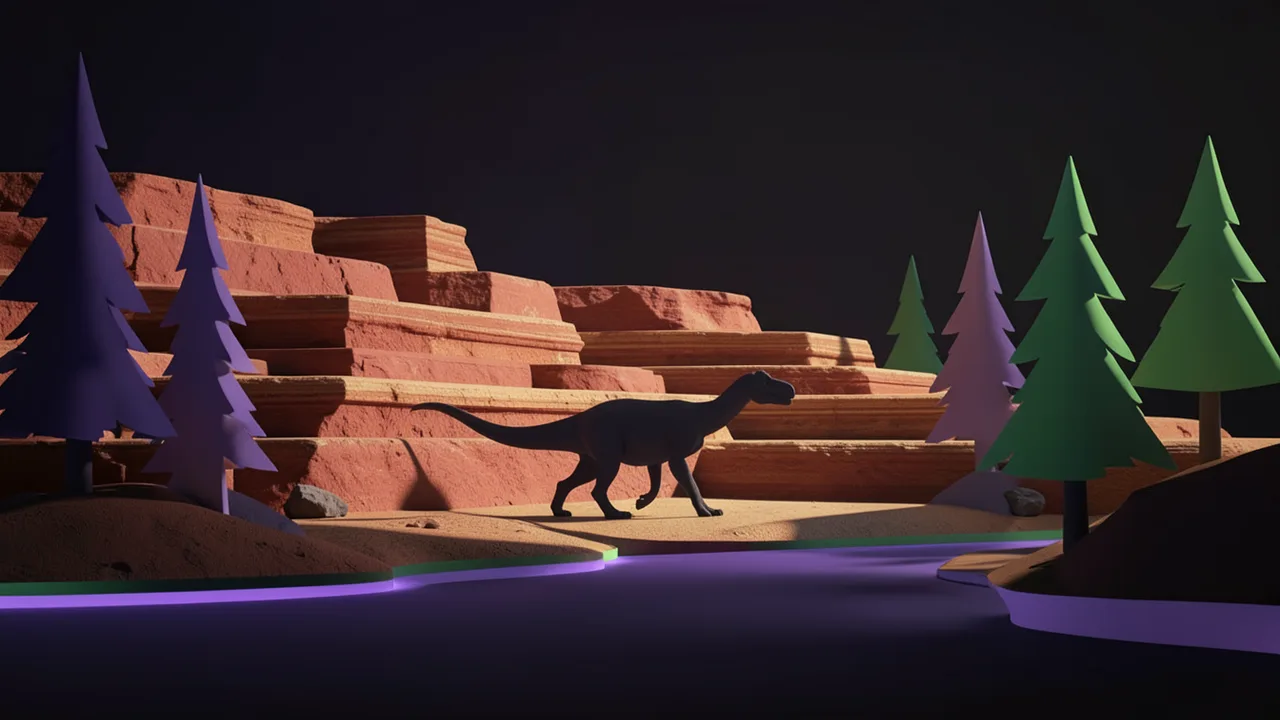
The fossils were collected from brick-red mudstones and sandstones laid down by ancient rivers around 210 million years ago. Geological evidence and plant fossils show that the Triassic landscape of Kariba was dry and dotted with stands of large conifer trees.
Why it matters

The findings have prompted scientists to reappraise historical dinosaur collections in Bulawayo. It appears that many of these fossils cannot be referred to South African species, contrary to earlier assumptions. Researchers suspect that environmental conditions, specifically climatic differences due to Zimbabwe’s position closer to the equator, are responsible for these varied animal communities. Further excavations are planned to compare these sites more precisely with others to understand early dinosaur evolution.


Sources

This article was drafted with AI assistance and checked against the sources above. Company claims are reported as claims. Cover image is AI-generated.

Questions readers ask

What is the name of the new dinosaur species identified in Zimbabwe?
The new dinosaur species is named Musango matusadonaensis.
When did Musango matusadonaensis live and how large was it?
It lived approximately 210 million years ago during the Late Triassic period. The animal reached about 4.5 meters in length and weighed 220kg.
Where were the fossils of Musango matusadonaensis found?
The incomplete skeleton was found in the bank of the Nyamasango River close to Musango Island inside Matusadona National Park.
Why are the Zimbabwean dinosaurs considered distinct from South African species?
The findings suggest that ancient climate differences, specifically Zimbabwe’s position closer to the equator, separated dinosaur populations and led to unique species. This challenges previous assumptions that Zimbabwean dinosaurs were simply an extension of South African faunas.
Who led the team that explored the new fossil sites?
Jonah Choiniere at the University of the Witwatersrand, Johannesburg, assembled an international team to explore the sites found by Steve Edwards.

The day's checked news, by email

One short email a day with the top stories. Free, and you can unsubscribe in one click.

Or follow for the latest news:

Advertisement

How do you feel about this story?

Comments 0

No comments yet. Start the discussion.

ScienceTrending

Expedition finds no conclusive evidence of Earhart plane on Nikumaroro

A joint expedition by Purdue University and the Archaeological Legacy Institute found no conclusive evidence that Amelia Earhart’s plane wreckage is on Nikumaroro Island. The team determined a suspected object was likely debris from trees.

Checked against 6 sourcesCNNpurdue.edu21alivenews.com+3 more