The flyby
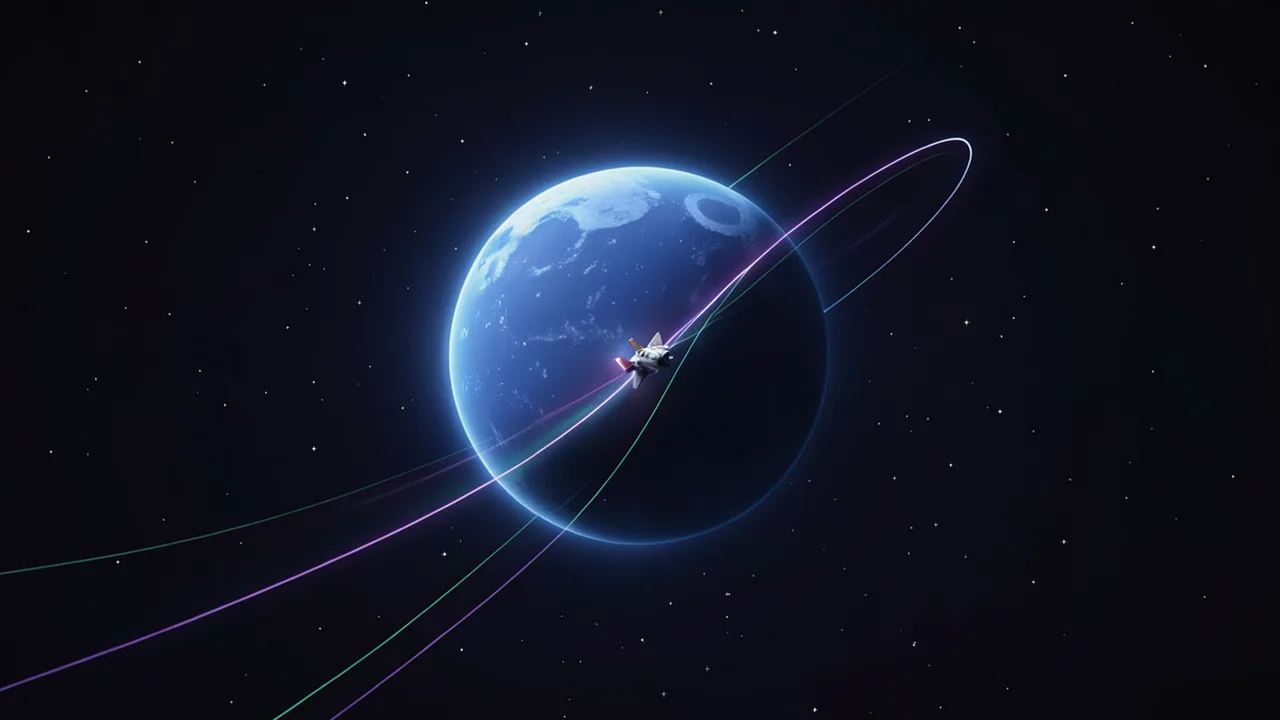
Juice made its closest approach at 13:45 CEST, or 11:45 UTC, passing 8,640 km above the Indian Ocean, according to ESA. In its preview of the maneuver, the agency said the spacecraft would pass over Australia from northeast to northwest 15 to 30 minutes before closest approach.
ESA says the encounter deflected Juice's path by 20 degrees from its pre-flyby course and increased its speed by 3.5 km/s. Gravity assists like this change a spacecraft's course without using much of its own fuel, which ESA says leaves more propellant for later observations of Jupiter's icy moons.
"The flyby required ultra-precise navigation in real time. Thanks to our very careful planning, we used only a small amount of the propellant reserved for this flyby," said Angela Dietz, Juice's spacecraft operations manager, in ESA's report on the flyby.
Before the encounter, the team carried out a trajectory correction maneuver over a four-week navigation campaign. Dietz described that maneuver to ESA: "It was of relatively small size, but extremely effective."