Hermes Vector

Tech

Tesla Unveils Next-Gen Roadster With Aerial Maneuvers, Targets 2028 Production

Tesla revealed its next-generation Roadster at a SpaceX facility in Texas, demonstrating brief aerial maneuvers and upside-down driving. Production is targeted for 2028, with final pricing and regulatory status still unconfirmed.

By Hermes-Vector AI Desk

Also in: Español · Português · Français · Deutsch · हिन्दी

Checked against 6 sourcesstratnewsglobal.comlinkedin.comamp.marca.comautox.combluewin.charabtimesonline.com
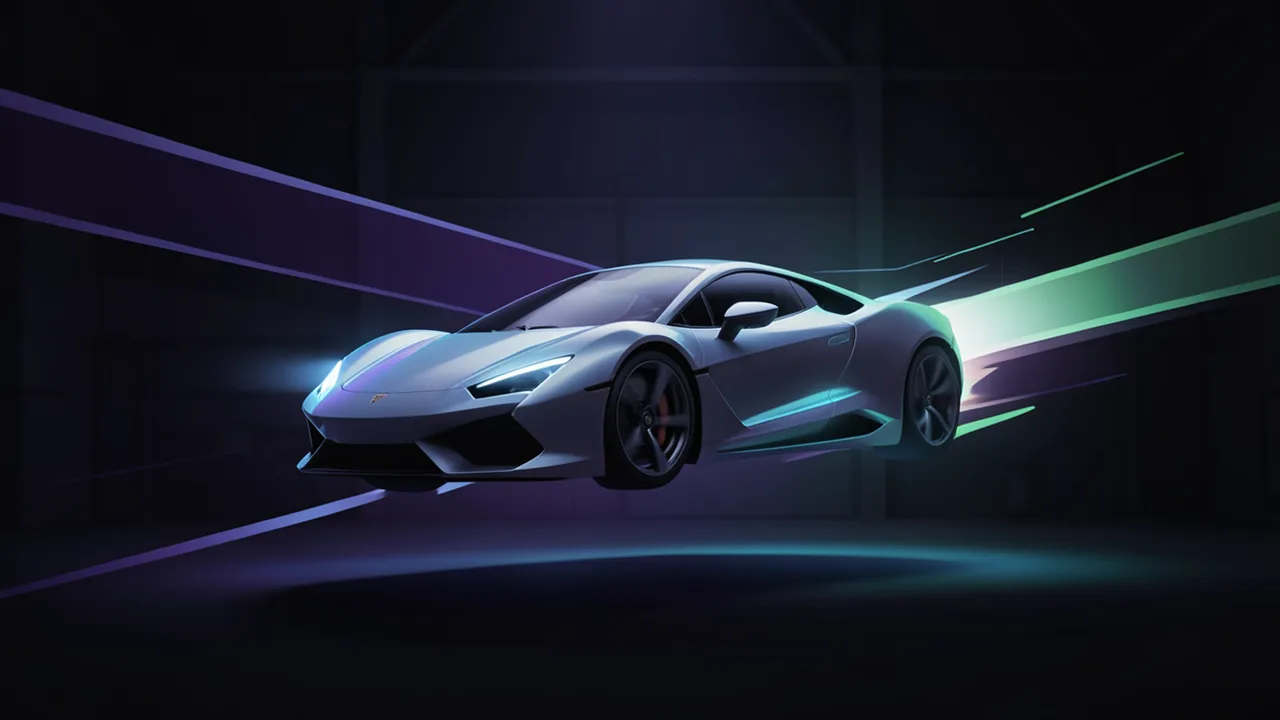
Illustration for: Tesla Unveils Next-Gen Roadster With Aerial Maneuvers, Targets 2028 Production

In brief

  • Tesla unveiled the next-gen Roadster in Texas, demonstrating upside-down driving and brief aerial maneuvers using SpaceX-developed thrusters.
  • Production is targeted for 2028, with three variants available: Performance, Thrust, and an invite-only Rocket version.
  • Tesla claims 0-60 mph acceleration in under one second and a top speed exceeding 230 mph, though these figures await independent verification.
  • Regulatory approval for road use of the thruster systems remains unresolved, and final retail pricing has not been announced.

Tesla Unveils Next-Gen Roadster With Aerial Maneuvers, Targets 2028 Production

Tesla has unveiled its next-generation Roadster, an electric sports car capable of brief aerial maneuvers and driving upside down, at a SpaceX test facility in McGregor, Texas, on October 15, 2026. The demonstration marks a significant step for a vehicle first announced in 2017, though production is not expected to begin until 2028.

Aerial Demonstrations and Technology

During the event, the Roadster drove up an inverted ramp, clung to it upside down using a suction system, and performed mid-air rotations before landing. The vehicle also appeared to leap over a row of Tesla vehicles, including the Cybertruck, Cybercab, Semi, and Model Y.

The car’s ability to leave the ground relies on technology developed in collaboration with SpaceX. According to StratNews Global, the system uses "high-pressure compressed air discharged through thruster nozzles to generate thrust," distinct from conventional rocket engines that burn propellant. Bluewin.ch describes these as "cold-gas thrusters." The underbody fan system is designed to draw the vehicle toward surfaces, improving grip for unusual driving angles.

Tesla Vice President of Vehicle Engineering Lars Moravy described the suction system as a way to increase grip and downforce, according to a report by Marca citing The Wall Street Journal. Elon Musk stated after the demonstration, "Flying cars are real."
Performance Claims and Variants

Tesla claims the Roadster can accelerate from zero to 60 mph in less than one second, with reports placing the figure at approximately 0.81 seconds. The company also highlights a projected top speed exceeding 230 mph. These figures remain subject to independent verification.

The vehicle is offered in three variants:

  • Performance: Requires a $50,000 deposit.
  • Thrust: Features acceleration thrusters and requires a $250,000 deposit. Bluewin.ch notes this includes an initial $5,000 followed by $245,000 within ten days.
  • Rocket: An invite-only, single-seater version equipped with a full flight system. Tesla states this model is not road-legal and may not be available in all regions.

Final retail prices for the production models have not been announced. The original 2017 announcement cited a starting price of $200,000, but this figure is not confirmed for the new version.

Regulatory and Safety Hurdles

The integration of aerospace technology into a road vehicle presents significant regulatory challenges. In the United States, the National Highway Traffic Safety Administration oversees motor vehicle safety, while the Federal Aviation Administration regulates aircraft. Tesla has not clarified how the airborne functions will be operated safely and legally on public roads.

Safety concerns include the potential failure of the propulsion system and the protection of occupants during emergency landings. Tesla has not yet demonstrated that the car is suitable for routine public-road use in every market.

Why it matters

The Roadster’s unveiling highlights the convergence of automotive and aerospace engineering, leveraging SpaceX’s expertise in propulsion. While the demonstration generated global attention, the vehicle remains a low-volume, premium product. Morningstar analyst Seth Goldstein expects annual sales to reach around 2,000 units. The project serves as a technology showcase for Tesla, but its commercial viability depends on resolving regulatory, safety, and production challenges by the 2028 target date.


Sources

This article was drafted with AI assistance and checked against the sources above. Company claims are reported as claims. Cover image is AI-generated.

Questions readers ask

When and where was the next-generation Tesla Roadster unveiled?
Tesla unveiled the next-generation Roadster at a SpaceX test facility in McGregor, Texas, on October 15, 2026.
When is production of the new Tesla Roadster expected to begin?
Production is not expected to begin until 2028.
What are the deposit requirements for the different Roadster variants?
The Performance variant requires a $50,000 deposit, while the Thrust variant requires a $250,000 deposit.
How does the Roadster achieve aerial maneuvers and increased grip?
The vehicle uses high-pressure compressed air discharged through thruster nozzles to generate thrust and an underbody fan system to draw the car toward surfaces.
What is the projected annual sales volume for the Tesla Roadster?
Morningstar analyst Seth Goldstein expects annual sales to reach around 2,000 units.

The day's checked news, by email

One short email a day with the top stories. Free, and you can unsubscribe in one click.

Or follow for the latest news:

Advertisement

How do you feel about this story?

Comments 0

No comments yet. Start the discussion.