Hermes Vector

World

Protests erupt in Azerbaijan over school hijab ban

Unprecedented protests involving children have erupted in Azerbaijan after schools enforced dress codes interpreted as a hijab ban. The dispute has drawn criticism from Turkey and Iran, while authorities detained 37 people and disrupted social media access.

By Hermes-Vector AI Desk

Also in: Español · Português · Français · Deutsch · हिन्दी

Checked against 4 sourcesdw.compresstv.co.uken.abna24.comgeosirius.ifz.ru
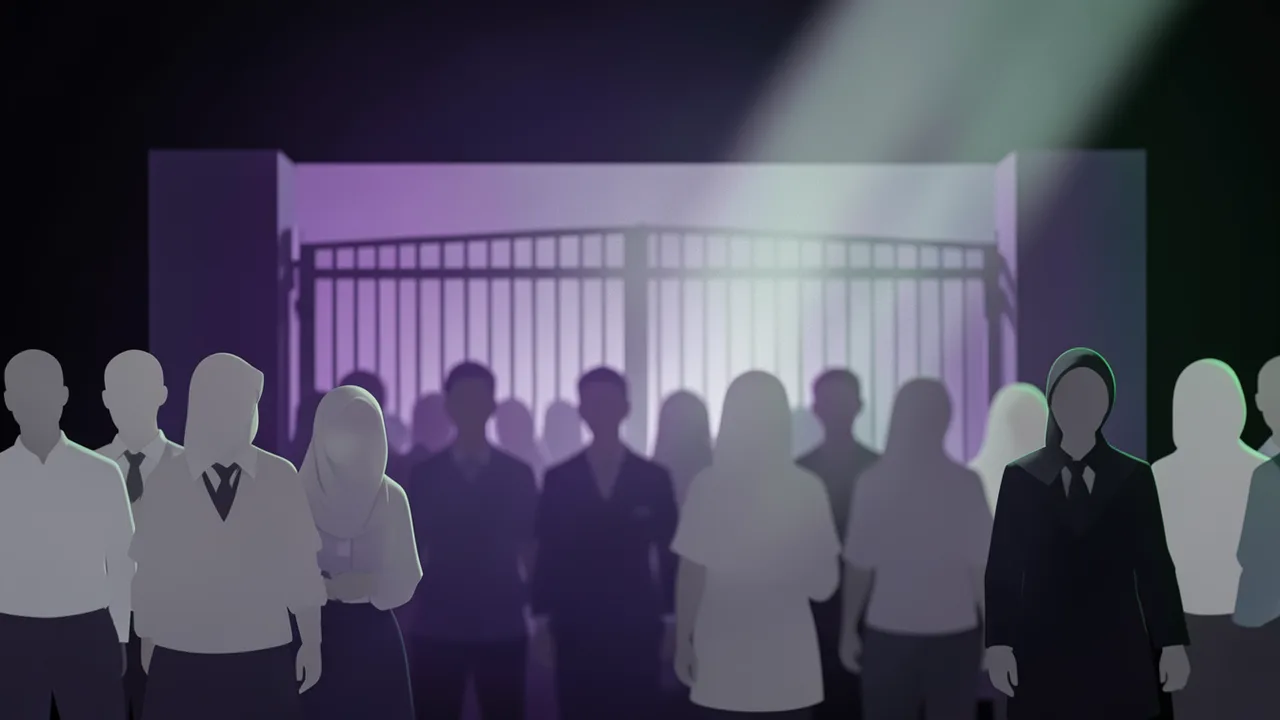
Illustration for: Protests erupt in Azerbaijan over school hijab ban

In brief

  • Azerbaijan's Interior Ministry detained 37 people for disrupting public order during protests over school dress codes.
  • School administrators have interpreted new uniform rules as a ban on hijabs, despite the text not explicitly mentioning them.
  • Access to Instagram and TikTok was disrupted in Azerbaijan as videos of the protests spread on social media.
  • Iran's embassy rejected claims linking Tehran to the protests as 'baseless and spiteful,' while Turkey criticized the restrictions.

Protests erupt in Azerbaijan over school hijab ban

Unprecedented protests involving children have erupted across Azerbaijan following the enforcement of school dress codes that some administrators have interpreted as a ban on Islamic headscarves. Although the government regulations do not explicitly mention the hijab, reports indicate that girls wearing headscarves have been turned away from classrooms, triggering demonstrations and an unusual diplomatic exchange with neighboring Turkey and Iran.

Enforcement of Secular Dress Codes

The dispute stems from legal changes enacted in July and September 2026. On July 7, Azerbaijan amended its general education law to reinforce secular education and require compliance with dress codes. On September 21, the government adopted Resolution No. 309, which prohibits additional clothing that disrupts the standard uniform or conflicts with secular education principles. A separate decision on October 6 extended dress requirements to teachers.

While the resolution does not explicitly instruct schools to exclude pupils wearing hijabs, some school administrators have applied the rule to headscarves. The regulation assigns responsibility for resolving compliance issues to each school's pedagogical council. Reports have emerged of women wearing headscarves being prevented from teaching. Facebook user Sarraf Cabbarov stated that his daughter Sevil, a primary school teacher in Baku, was dismissed for refusing to remove her headscarf, publishing a school order issuing her a written warning.

Protests and Government Response

Demonstrations involving children are unprecedented in Azerbaijan, a country where public protests are routinely dispersed by police. Rallies have taken place outside schools, with girls wearing headscarves and other students joining in solidarity. As videos of the protests spread on social media, access to Instagram and TikTok was disrupted. Internet monitors documented these blocks, though authorities have not explained their cause.

On October 12, the Interior Ministry stated that 37 people had been detained in connection with the protests. According to the ministry, the group had confronted school staff, damaged property, and attempted to obstruct school activities and traffic. A criminal case was opened under Article 233 concerning the disruption of public order. The ministry did not identify those detained or specify whether they included children.

Artist and activist Ilkin Huseynov went missing after launching a project linking volunteer tutors with affected pupils. Local media reported, citing people close to him, that he had been given 30 days of administrative detention for allegedly disobeying police orders.
Diplomatic Tensions with Turkey and Iran

The controversy has drawn criticism from Turkey, a close ally of Azerbaijan. Oktay Saral, an adviser to Turkish President Recep Tayyip Erdogan, criticized the restrictions, stating, "it's unacceptable to deny education to students wearing headscarves." Azerbaijan's ruling New Azerbaijan Party replied that close relations did not justify interference in its internal affairs.

Iran’s embassy in Baku rejected allegations linking Tehran to the protests as "baseless and spiteful." In a press statement, the embassy said such claims are intended to sow discord between the two neighboring countries. The embassy reiterated that Iran’s policy is based on mutual respect and sovereignty, rejecting attempts "to attribute any gathering, protest, or public dissatisfaction in the Republic of Azerbaijan to the Islamic Republic of Iran" as "baseless and devoid of truth."

Why it matters

The protests highlight the tension between Azerbaijan's state-enforced secularism and the religious sentiments of its majority Muslim population. While the government frames the restrictions as necessary to counter foreign influence and maintain secular education, critics argue they violate constitutional rights to education and freedom of conscience. The incident also exposes diplomatic friction between Azerbaijan and its strategic ally Turkey, as well as its neighbor Iran, challenging the narrative of unity among these nations.


Sources

This article was drafted with AI assistance and checked against the sources above. Company claims are reported as claims. Cover image is AI-generated.

Questions readers ask

What legal changes led to the school dress code enforcement in Azerbaijan?
Azerbaijan amended its general education law on July 7, 2026, to reinforce secular education and require dress code compliance. On September 21, the government adopted Resolution No. 309, which prohibits additional clothing that disrupts the standard uniform or conflicts with secular education principles. A separate decision on October 6 extended these dress requirements to teachers.
How many people were detained in connection with the protests?
On October 12, the Interior Ministry stated that 37 people had been detained in connection with the protests. The ministry reported that the group confronted school staff, damaged property, and attempted to obstruct school activities and traffic.
What is Turkey's response to the hijab restrictions in Azerbaijan?
Oktay Saral, an adviser to Turkish President Recep Tayyip Erdogan, criticized the restrictions by stating it is unacceptable to deny education to students wearing headscarves. Azerbaijan's ruling New Azerbaijan Party replied that close relations did not justify interference in its internal affairs.
What happened to artist and activist Ilkin Huseynov?
Ilkin Huseynov went missing after launching a project linking volunteer tutors with affected pupils. Local media reported that he had been given 30 days of administrative detention for allegedly disobeying police orders.
Why do the protests matter in the context of international relations?
The incident exposes diplomatic friction between Azerbaijan and its strategic ally Turkey, as well as its neighbor Iran. Iran’s embassy in Baku rejected allegations linking Tehran to the protests as baseless and spiteful, asserting that such claims are intended to sow discord between the two neighboring countries.

The day's checked news, by email

One short email a day with the top stories. Free, and you can unsubscribe in one click.

Or follow for the latest news:

Advertisement

How do you feel about this story?

Comments 0

No comments yet. Start the discussion.