The Mechanism Behind the Green Glow
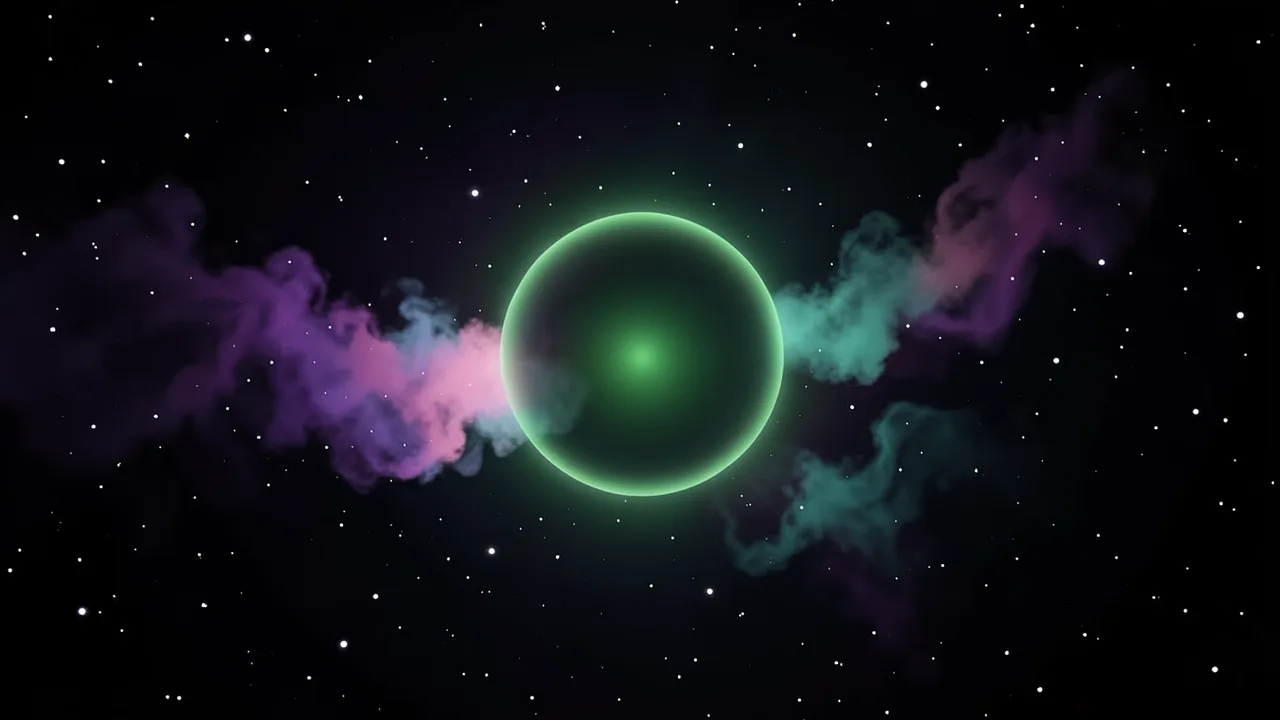
The star, designated WD J1330+6435, is a cool white dwarf that has been accreting rocky material from a planetary companion. This process has enriched its atmosphere with calcium, lithium, and sodium. According to the research team, the specific chemical makeup alters how the star emits light.
"The traces of sodium in the atmosphere of this white dwarf absorb the orange part of the spectrum, leaving behind a ghostly green glow," said Mark Hollands of the University of Warwick, the team leader, in a statement. "Imagine standing on a planet and looking up at a green star. It feels like something out of science fiction."
The researchers note that while the human eye typically perceives stars as white, orange, or blue based on temperature, the extreme density of white dwarfs allows trace elements to interact with dense helium plasma. This interaction absorbs light across a wider range of colors than would occur at lower densities, shifting the star's apparent color away from the standard blackbody radiation curve.