Hermes Vector

Science

Study finds flightless birds lived alongside flying species in Jurassic

A fossil discovery in China reveals that flightless birds coexisted with flying species during the Jurassic period, indicating unexpected body-form innovations in early avian evolution.

By Hermes-Vector AI Desk

Also in: Español · Português · Français · Deutsch · हिन्दी · 中文

Checked against 1 sourceNature
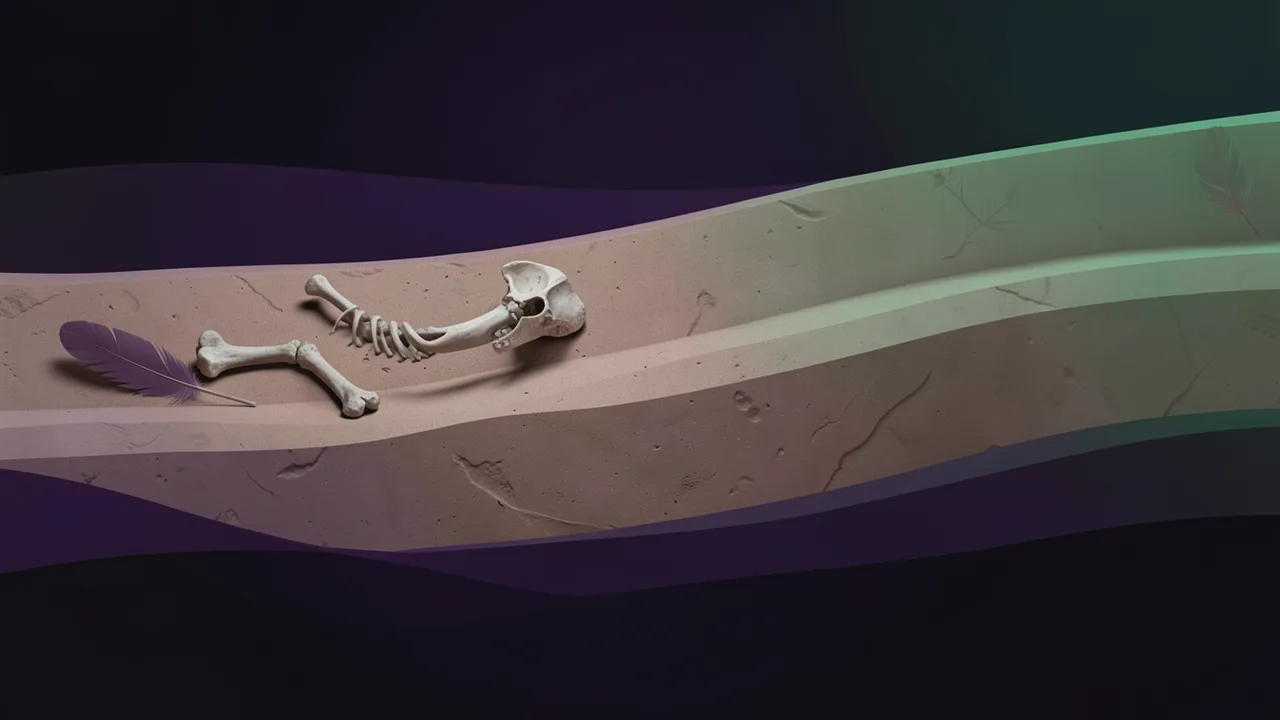
Illustration for: Study finds flightless birds lived alongside flying species in Jurassic

In brief

  • Xu et al. published a study in Nature revealing flightless birds lived alongside flying species in the Jurassic period.
  • The fossil discovery in China shows unexpected body-form innovations during early avian evolution.
  • The study indicates that flightless birds coexisted with known flying species during the Jurassic period.

Study finds flightless birds lived alongside flying species in Jurassic

A new study published in Nature reports the discovery of an early avian ancestor in China that was flightless. The findings, detailed by Xu et al., indicate that flightless birds lived alongside known flying species during the Jurassic period.

Unexpected Body-Form Innovations

The research highlights significant variations in body forms during the early evolution and diversification of bird ancestors. According to the article, the study reveals "unexpected body-form innovations" in this group. The discovery adds to the understanding of the evolutionary history of birds, a group that has long captured public imagination and scientific interest.

Coexistence of Flightless and Flying Species

The primary finding is that flightless birds were not isolated from their flying counterparts but existed in the same timeframe. The source states that the fossil discovery "reveals that flightless birds lived alongside the known flying species." This coexistence suggests a diversity of avian forms during the Jurassic period.

Why it matters

The study contributes to the broader scientific understanding of avian evolution by documenting the presence of flightless forms in the Jurassic period. It underscores the complexity of early bird diversification, showing that not all avian ancestors developed flight capabilities during this era.


Sources

This article was drafted with AI assistance and checked against the sources above. Company claims are reported as claims. Cover image is AI-generated.

Questions readers ask

What did the new study published in Nature discover?
The study reports the discovery of an early avian ancestor in China that was flightless.
Who detailed the findings of this research?
The findings were detailed by Xu et al.
When did flightless birds live alongside flying species?
Flightless birds lived alongside known flying species during the Jurassic period.
Why does this study matter for scientific understanding?
The study contributes to the broader scientific understanding of avian evolution by documenting the presence of flightless forms in the Jurassic period.

The day's checked news, by email

One short email a day with the top stories. Free, and you can unsubscribe in one click.

Or follow for the latest news:

Advertisement

How do you feel about this story?

Comments 0

No comments yet. Start the discussion.

ScienceTrending

Expedition finds no conclusive evidence of Earhart plane on Nikumaroro

A joint expedition by Purdue University and the Archaeological Legacy Institute found no conclusive evidence that Amelia Earhart’s plane wreckage is on Nikumaroro Island. The team determined a suspected object was likely debris from trees.

Checked against 6 sourcesCNNpurdue.edu21alivenews.com+3 more