Hermes Vector

TechTrending

Google launches Fitbit Edge fitness tracker for $179.99

Google has launched the Fitbit Edge, a new fitness tracker priced at $179.99. The device features a slim design, built-in GPS, and up to seven days of battery life, positioning itself between the Fitbit Air and Pixel Watch 5.

By Hermes-Vector AI Desk

Checked against 2 sourcesGooglecnet.com
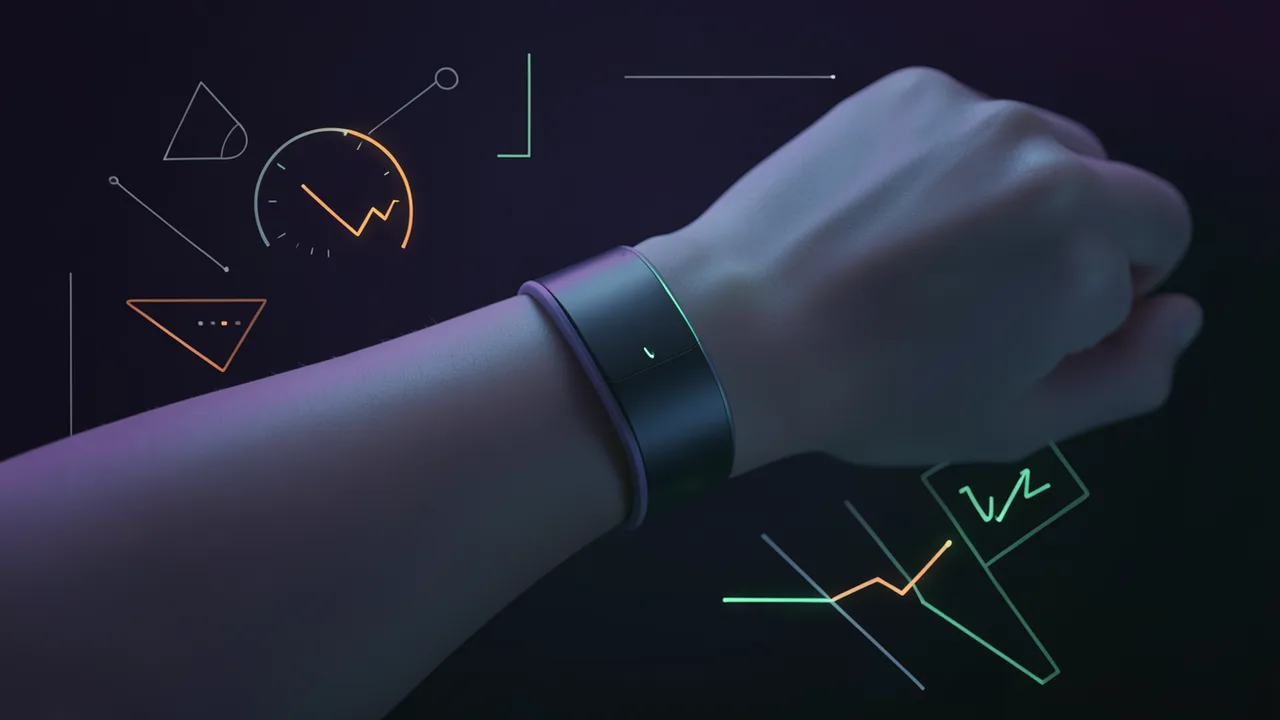
Illustration for: Google launches Fitbit Edge fitness tracker for $179.99

In brief

  • Google Fitbit Edge retails for $179.99 and launches October 27.
  • The tracker features a 11.5mm thin profile and a display 46% larger than previous models.
  • Google states the device offers up to seven days of battery life, though CNET notes this drops to two days with always-on display.
  • The Fitbit Edge includes built-in GPS and is Google's first repairable fitness tracker with a replaceable battery.

Google launches Fitbit Edge fitness tracker for $179.99

Google has introduced the Google Fitbit Edge, a new fitness tracker designed to bridge the gap between its screenless Fitbit Air and the more advanced Pixel Watch 5. The device, which retails for $179.99, is now available for pre-order and will be on shelves October 27.

Design and Display

The Fitbit Edge features a slim profile measuring 11.5mm thin and is encased in durable recycled aluminum. According to Google, the case is 45% lighter than the Apple Watch Series 12. The device includes a Hybrid OLED display that Google says is 46% larger than previous trackers, offering a vibrant screen that is easy to read in direct sunlight.

The interface includes glanceable tiles and expressive clock faces, along with a redesigned physical side button for tactile feedback. The tracker is water-resistant up to 50 meters and is described by Google as its first repairable fitness tracker, featuring an internal modular architecture and a replaceable battery.

Health and Fitness Features

The Fitbit Edge includes built-in precision GPS, which Google states delivers up to 40% improved tracking accuracy over previous generations. It also features an integrated altimeter for measuring elevation changes. The device supports more than 50 exercise modes and includes sensors for heart rate, blood oxygen, skin temperature, and ECG readings.

Regarding automatic activity tracking, Google states the device can automatically recognize and categorize up to 100 workouts. In a separate review, CNET noted that Google has improved automatic detection since launching the Fitbit Air, including the ability to recognize racquet sports, though the specific count of recognized workouts in that context was cited as more than 40.

The tracker offers Health Guardian features, which track shifts in health metrics such as blood pressure trends and insulin resistance trends. These features, along with the AI-powered Google Health Coach, require a Google Health Premium subscription, which costs $10 per month or $100 per year after an initial three-month trial included with the device.

Battery Life and Connectivity

Google rates the Fitbit Edge for up to seven days of battery life on a single charge. However, CNET reports that this estimate applies when using the "raise to wake" setting. If the always-on display is enabled, Google estimates battery life drops to two days. Fast magnetic charging can provide a full day of battery in five minutes, though a full charge takes about 90 minutes.

The device runs Fitbit’s own operating system rather than Wear OS, meaning it does not have access to the Play Store or Gemini. It is compatible with both iOS and Android phones. Notably, the Fitbit Edge lacks a microphone, speaker, and NFC for tap-to-pay, features present on some other smartwatches.

Pricing and Availability

The standard Fitbit Edge is priced at $179.99 and comes in four finishes: Obsidian, Fog, Olive, and Canyon. A Stephen Curry Special Edition, created with four-time NBA Champion Stephen Curry, is available for $219.99. The device is available for pre-order on the Google Store and through retail partners.


Sources

This article was drafted with AI assistance and checked against the sources above. Company claims are reported as claims. Cover image is AI-generated.

The day's checked news, by email

One short email a day with the top stories. Free, and you can unsubscribe in one click.

Or follow for the latest news:

Advertisement

Comments

TechTrending

Linus Torvalds uses Claude Code for Linux kernel improvements

Linux creator Linus Torvalds confirmed using Claude Code to develop a new kernel branch. He stated AI is a useful tool for specific tasks but requires caution in critical development.

Checked against 3 sourcesphoronix.comzdnet.comxda-developers.com